

Madurai – It is a known fact that many Dalits (the hidden apartheid of India) embrace Christianity because of oppression by higher–caste Hindus. But, according to news reports, there seems to be no escape for the neo–converts as discrimination continues in churches too in South India.
It is reported that Dalit Christians have separate pews and burial grounds and are served Holy Communion wine from a separate chalice in certain churches in Tamil Nadu and Kerala.
The most visible form of untouchability is the double tumbler system in which a separate drinking glass is kept for Dalits in tea shops.
A similar system followed by the church till the late 20th century, particularly in Thanjavur district, was the double chalice system. A separate chalice was kept for serving Holy Communion wine to Dalit Christians.
The practice is now waning following agitations within the church by some 'enlightened priests and sisters'. Following the ban on double chalice system, some churches have now resorted to serving communion wine with a spoon.
"Shocking as the revelation may seem, this is the truth,'' lamented Rev. Dr. Dhyanchand Carr, the principal of the Tamil Nadu Theological Seminary, Arasarady, Madurai, who has spoken out on behalf of the Dalits, much to the chagrin of his fellow believers.
Rev. Carr said Dalit Christians still suffered ostracism, segregation and oppression in the church. Neo–converts have to sit in separate pews during mass and have separate burial grounds.
Some churches have also 'generously' built crucifixes, (miniature churches) in the vicinity of the main church for Dalits to make their appeals to the Creator.
A majority of the descendants of the Christians from Tamil Nadu and Kerala who were converted from upper–caste communities centuries back, now hold lower–caste brothers at bay.
A majority of the clergy too belong to upper castes and so the Dalits are treated with scorn.
Rev. Carr related an incident that happened at the church in Tiruppuvanam, near Madurai, in the early 80s. About 200 Hindu Dalits embraced Christianity. On one occasion, a Dalit member 'dared' to handle the offertory bag.
The pastor, who noticed it from the altar, shouted at the man mentioning his caste and demanded to know how dare he touch the offertory. Unable to bear this insult, the Dalit flock walked out and reconverted to Hinduism.
It took almost five years to bring them back into the Christian fold, said Rev. Carr.
Though the situation has changed over the years, caste discrimination still remain deep rooted in the church. Converted Dalits find no place in the decision–making bodies.
Rev. Carr, who never covers himself with cassocks or vestments, says Dalit students find it difficult to enter educational institutions and hostels run by the church.
Those who raise their voice against such discrimination have been stigmatized as 'Dalit pastors'.
Dalit Christians are denied the rights and concessions extended by the Government to Dalits who have not converted to Christianity. The church too does not compensate them for this loss nor does it advocate for their rights, lamented Rev. Carr.
The neo–converts find it hard to shed their Hindu identity and continue to dress as before and observe the same customs, he said.
The case of Dalits who convert to Islam is different. They shed their dhotis and begin wearing lungi and often sport a beard, Rev. Carr said.
However, mercifully, the situation is changing for the better with more progressive young non–Dalit men entering priesthood in the church, the outspoken priest felt. But it will take a long time before the Dalit Christians begin to feel that they are being treated as members of the same fraternity, he concluded.
Most Popular
-
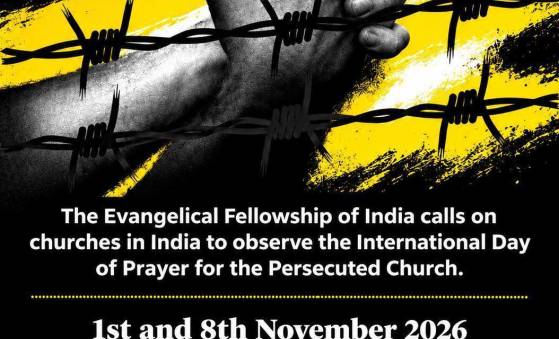
Evangelical Fellowship of India Calls Churches to Pray for Persecuted Christians on 1 and 8 November
-

A Hilltop Church in Kumaon Turns 94
-
Catholic priest and school principal seriously injured in attack by masked men in Jharkhand
-
Fresh Violence in Manipur Leaves Four Dead as Security Is Tightened
-

Myanmar Military Accused of Destroying Two Churches in Christian Regions