

Calcutta, Nov. 3, 2004 – As a part of its diamond jubilee celebrations this year, one of the biggest NGOs in the health sector in the world, the Church–run Catholic Health Association of India (CHAI), has launched a campaign to provide “universal access to health for the marginalized in India.”
During a press conference convened at the Calcutta Press Club on October 25, CHAI director, Dr. Sebastian Ousepparampil explained, “Fifty–seven years after Independence, our country accounts for one–third of the global burden of tuberculosis and one person dies every minute in India from TB.”
“Taking its cue from the health provisions of the Panchayati Raj (village administration) system that provide for launching a nationwide move for universal access to health, CHAI has opted to promote community health, especially for the poor and the marginalized, by empowering health workers from within the community,” said CHAI national president, Dr. Sister Vijaya Sharma.
Some 500 delegates attended the two–day national conference held at Loreto Convent Entally, Kolkata on October 27–28. Padmabhushan Dr. R.S. Arole, director, Comprehensive Rural Health Project (CRHP), Jamkhed, delivered the keynote address on the theme “Universal Access to Health for the Marginalised.” Prominent personalities, including the former Union Minister Ajit Panja, and the Mayor in Council for Health, Pradip Ghosh participated in the conference and addressed the audience.
CHAI has over 3,300 members spread over the categories of doctors, nurses, hospitals and health centres.
Mayor of Kolkata, Subrata Mukherjee, was the chief guest at the inaugural function, which was presided over by Salesian Archbishop Lucas Sirkar of Calcutta.
During the Second World War, when Bengal was in the grip of a raging famine, the then Salesian Archbishop Louis Mathias of Madras brought in Sisters to practise medicine. And the Congregations of St. Anne and the Society of Jesus, Mary and Joseph, came together in 1941 for an informal meeting at Guntur in Andhra Pradesh, which eventually led to the formation of the Catholic Hospital Association in July 1943 with 16 sisters attending the first meeting under the leadership of Sister Mary Glowrey JMJ, an Australian doctor working at the St. Joseph’s Hospital in Guntur.
This seminal meeting marked the beginning of the Catholic Hospital Association, which after Independence became The Catholic Hospital Association of India. During its Golden Jubilee Celebration in 1993, it was renamed the Catholic Health Association of India.
Most Popular
-
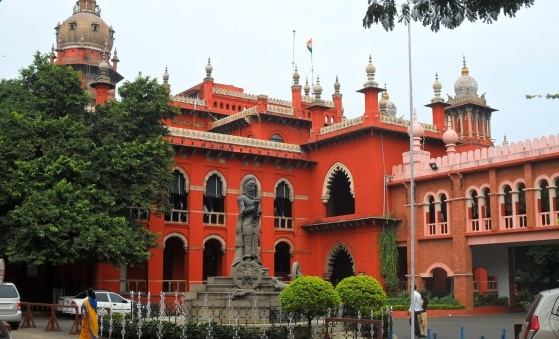
Madras High Court Calls Abrahamic Religions ‘Inherently Exclusive’ in Zen Trust Funding Ruling
-

CBCI urges Election Commission to protect every eligible voter in electoral roll revision
-

CJP says police notices served on activists ahead of October 10 Delhi protest
-

Voter-List Dispute Fuels Third Day of Protests Ahead of Supreme Court Hearing
-

Sri Lanka Announces New Measures to Strengthen Child Protection