

On the occasion of World Aids Day, the Catholic Church has called for a concerted effort to combat HIV/AIDS in India.
Archbishop Bernard Moras, the chairman of the Catholic Bishops Conference Commission for Health, stressed the need for NGOs, charitable trusts and government bodies to unite for greater care of HIV-infected victims.
He urged social workers to rise above their own little world and work together, towards strengthening the national programs.
The Catholic Church has over 5,500 health care institutions spread across the country, making it the second largest after the Government of India.
Archbishop Moras said the government can work towards "strengthening these centres to promote its national programmes."
He further expressed the need for ART (Anti-Retroviral Therapy) which prevents HIV infection from progressing into AIDS. "With the incorporation of ART into the national programs, and availability of drugs through the ART centers, free of cost, universal access has become a possibility," he said.
He continued that there is a "need to rediscover the principles of Primary Health Care with special focus on the poorer and those in remote places so that essential drugs are available free of cost and there is equitable distribution."
"This is where we have to concertedly keep our promises. This is the key to universal access," he pointed.
According to him, this promise can happen "when politicians keep their promise of good governance by strengthening the primary health care systems even as the Church Health Commission vows to take greater initiatives to help HIV/AIDS infected."
On Tuesday, World AIDS Day was observed around the globe to make people aware about the life-threatening disease and to raise concern for the affected.
Asia, home to 60% of the world's population, was second only to sub-Saharan Africa in terms of the number of people living with HIV. India accounted for roughly half of Asia's HIV prevalence.
According to the AIDS Epidemic Update 2009, around 33.4 million people are living with HIV worldwide with 2.7 million people being newly infected and two million dying from AIDS-related illness in 2008.
The report, released by the Joint United Nations Programme on HIV/AIDS (UNAIDS) and the World Health Organisation also said that globally HIV infections came down to 17 per cent between 2000 and 2007. South Asia figures showed a decrease by 10 per cent.
Most Popular
-
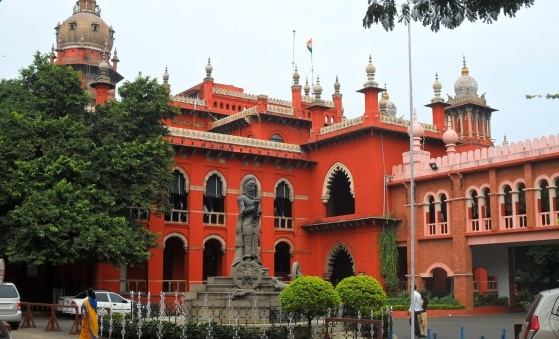
Madras High Court Calls Abrahamic Religions ‘Inherently Exclusive’ in Zen Trust Funding Ruling
-

Pastor Killed at Home in Punjab’s Batala; Police Name Local Man as Accused
-

CBCI urges Election Commission to protect every eligible voter in electoral roll revision
-

CJP says police notices served on activists ahead of October 10 Delhi protest
-

Voter-List Dispute Fuels Third Day of Protests Ahead of Supreme Court Hearing