

The final of a series of 'theological conversations' among Protestant churches has reiterated the need for building communities as just and inclusive.
The fourth National Theological Conversion held from 8-10 Dec. at Nagpur addressed the "concerns of justice and inclusivity" and "helped the participants to openly confess on issues that have been barriers to Churches in becoming and effecting as just and inclusive communities."
Bishop D.K. Sahu, General Secretary of National Council of Churches in India (NCCI) expressed that the "Conversations among Churches should not be just limited to ecu-speak or an ecumenical club spending time on the rhetoric rather we must get involved on the practice of justice."
Rev. Dr. Wati Longchar, Director, SCEPTRE delivered a vibrant Keynote Address and called on the participants to move ahead from parochial theologies to collective resistance theologies in which Churches can respond to every act of injustice in a collective and collaborative spirit of friendship.
He further reverberated that Churches can no longer include any exclusions in their life and witness and if Churches continue discrimination, exclusion and injustice, the savour and flavour of the Church will be lost.
The module of this National Theological Conversation included four theological audits on four pertinent, relevant and challenging issues that have been major obstacles in Churches to become and affect as just and inclusive communities.
Theological Audit on Transparency and Accountability brought into light the issues of power, lack of stewardship and unaccountability of people's lives and resources in the Church.
A Theological Audit on Caste challenged the Churches for falling short in affirming and practicing the values of the Gospel of equality and for becoming the perpetrators of Caste within Church and tradition.
Another Theological Audit on Gender called on for Gender Justice and partnerships among men and women. It brought into light the various forms of oppression faced by women in the Church.
A Theological Audit on Disability countered the idea of charity towards people of disability and resolved that complete disabilities are the disfigured and disabled crucified Christ.
A statement portraying the position of churches today in addressing these issues of injustice was brought out.
It was suggested to carry forward these Theological Conversations on specific issues and to work out a collaborated statement to discuss the nature and mission of the Church from the perspective of just and inclusive communities.
Besides participants from Indian churches, the Theological Conversation also contained representatives of the World Council of Churches under the leadership of Rev. Dr. Deenabandhu Manchala, Programme Executive of WCC-Unity, Mission & Spirituality.
Most Popular
-
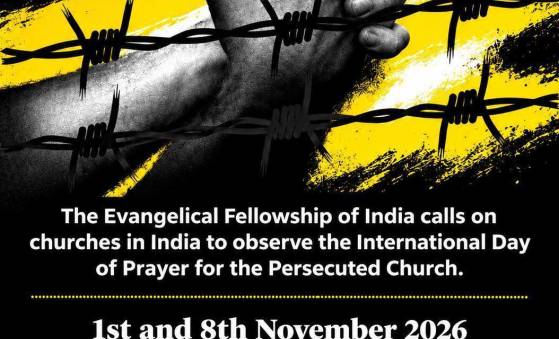
Evangelical Fellowship of India Calls Churches to Pray for Persecuted Christians on 1 and 8 November
-

A Hilltop Church in Kumaon Turns 94
-

Catholic priest and school principal seriously injured in attack by masked men in Jharkhand
-

Fresh Violence in Manipur Leaves Four Dead as Security Is Tightened
-

Myanmar Military Accused of Destroying Two Churches in Christian Regions