

Madhya Pradesh state government's proposal to include Bhagwad Gita in school curriculum has met with a backlash from leaders of other religions.
At a press conference, religious leaders, under the banner Harmony Foundation, criticised the Madhya Pradesh government for including only Hinduism instead of "promoting values of all religions".
"We want the Government to introduce summary of all major religions as a subject in the educational curriculum," demanded Harmony Foundation President LS Herdenia.
In fact the MP government has already begun training teachers to promote traditions and sacraments of Hindu religion.
"The Indian Constitution defines secularism as non-promotion of any particular religion," opined Fr. Anand Muttungal, general secretary of Harmony Foundation.
"There must be space for promotion of all religious values. If such an initiative is taken it will help in building harmony and fostering the spirit of brotherhood," added Muttungal, who is also the spokesperson of the Catholic Church in Madhya Pradesh.
The Harmony Foundation was represented by Kiran Bahan of Brahma Kumari, Dr Patidar of Gayathri Shakti Peet, Shri. Anwar Safi of Jamaat-e-Islami Hind, Bande Sagar of Biksu Sangh, Gyani Dileep Singh of Gurdwara Prabandak Committee and Roy John Thatta of Isai Mahasagh.
During the press conference, the foundation reiterated that it was not against including teachings of a particular religion. But it demanded that the essence of all major religions be included in the educational curriculum.
Incidentally, the BJP-ruled government earlier came under severe criticism after it made 'surya namaskar' (worship of sun, the Hindu solar deity) and 'pranayam' (yogic breathing exercise) mandatory for students in schools.
However, after a petition was filed by the Catholic Church, the Madhya Pradesh High Court passed an interim order directing the state government to not force surya namaskar and pranayam on students as part of extra curricular activities.
The division bench headed by Chief Justice AK Patnaik later issued notices to the chief secretary, principal secretary education, education commissioner and the district education officer.
Church had then argued that the state government directive was in violation of the Section 25 to 30 of the Fundamental Rights of the Constitution under which the minority institutions were governed.
Most Popular
-
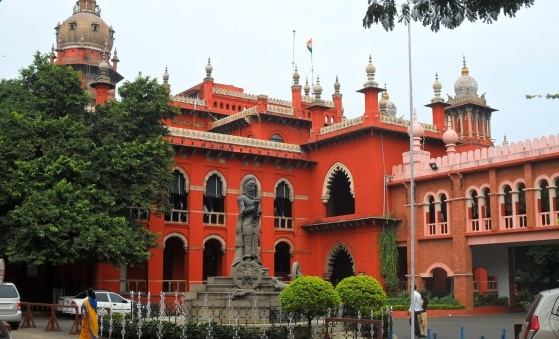
Madras High Court Calls Abrahamic Religions ‘Inherently Exclusive’ in Zen Trust Funding Ruling
-

CBCI urges Election Commission to protect every eligible voter in electoral roll revision
-

CJP says police notices served on activists ahead of October 10 Delhi protest
-

Voter-List Dispute Fuels Third Day of Protests Ahead of Supreme Court Hearing
-

Sri Lanka Announces New Measures to Strengthen Child Protection