

The two nuns who were arrested in Orissa recently on charges with ill–treating two female students at a residential school run by the Catholic Church were granted bail by a local court on Monday.
According to the papers filed in the case, the two nuns were accused by 4–year–old Sarojini Murmu of Nachipur village and 11–year–old Anjana Behera of Titia village, alleging that the Sisters attempted forced conversion and even tortured them physically.
Sub–Divisional Judge Moonrani Mishra granted bail only on a condition that they try not to change the faith of others and to co–operate with investigators, till the end.
Father Isaac Puthenangady, chancellor of Balasore Diocese, under which the hostel functions, countered that the girls "had been deployed by the anti–Christian elements to corner the missioners." He explained to UCA News that both girls joined the hostel this academic year, which started in June.
"We have been running the hostel for the last 30 years and there was never any complaint of forcible conversion," the priest said.
The Sisters, Mary and Prema are from the Bangalore–based congregation of St Ann's Sisters. They were released after three days in jail and on a personal bond of Rs 10,000 (US$ 250) each.
Earlier Cardinal Toppo, President of Catholic Bishops Conference of India told media person that the arrest of the two nun is an occasion to rejoice and be glad because they were not arrested for doing anything wrong, illegal or unlawful, but rather for the privilege of participating in the suffering of Christ.”
As persecuted and innocent as they are, “they should be proud that they were incarcerated under false accusations.” Indeed “the Indian Church will always do what is right even if it means persecution.”
The Cardinal further added, “When Orissa was devastated by a cyclone,” the same nuns “worked tirelessly saving lives, helping [individual] victims and the entire community without concern for caste and religion. How sad this was forgotten, especially in Orissa, where the Church has worked with the poor and the marginalised Tribals and Dalits, improving their circumstances with our educational, health, vocational training centres.”
Related Post:
Most Popular
-
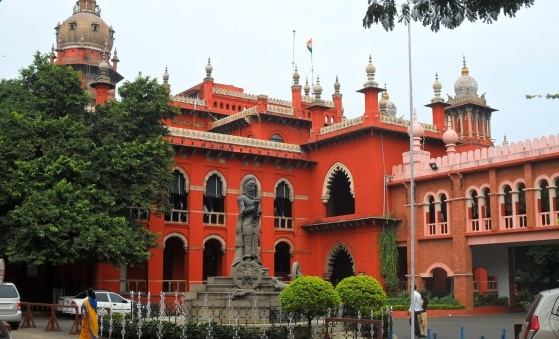
Madras High Court Calls Abrahamic Religions ‘Inherently Exclusive’ in Zen Trust Funding Ruling
-

CBCI urges Election Commission to protect every eligible voter in electoral roll revision
-

CJP says police notices served on activists ahead of October 10 Delhi protest
-

Voter-List Dispute Fuels Third Day of Protests Ahead of Supreme Court Hearing
-

Sri Lanka Announces New Measures to Strengthen Child Protection