

New Delhi – The central government of India has launched an ambitious health care program on April 12 that is aimed at benefiting its rural poor.
Calling the announcement of the program a "very important day," Prime Minister Manmohan Singh said India has grossly neglected the health of its citizens and unfortunately spends a mere 0.9 per cent of its gross domestic product (GDP) on health care.
"The Indian health system is perhaps guilty of many sins of omissions and commissions," Singh told health officials in New Delhi. "We have grievously erred in many of our health programs. We have paid inadequate attention to public health."
At the heart of the National Rural Health Mission is a drive to train a woman in each village across the country to become a health care worker. The health worker has to identify areas of concern and provide primary health care such as childbirth assistance and caring for newborns in the country of over 1 billion people.
The program, worth more than Rs. 7000 crores, will be undertaken in all of India's 300,000 or so villages, though the initial focus will be in 18 impoverished states in the north and northeast.
The program also envisages strengthening rural hospitals and giving more powers to village councils to prepare and implement their own health care plans with input from health workers.
Alok Mukopadhyay, chief executive officer of the Voluntary Health Association of India, called the government's move "a very positive step.”
"The outlay is not totally sufficient but at least a good first step forward has been made," he said. N
Nearly 136,000 women die each year due to maternal complications, according to the latest World Health Report issued by the World Health Organization (WHO).
Midwives are present at only 42 percent of births and India accounts for 1.05 million neonatal deaths each year.
Nearly 2.3 million children under five years of age die annually, the report said, adding that most of the deaths could be prevented by simple health care measures.
Lack of midwives, availability of oral re–hydration solutions in cases of diarrhea and other basic care are largely responsible for the deaths.
Just 10 per cent of the people have some form of health insurance and the government says it is usually inadequate to cover their needs.
Over 40 per cent of Indians who land up in hospital borrow heavily or sell assets to cover their expenses and more than 25 percent of them fall below the poverty line because of their hospital costs.
Most Popular
-
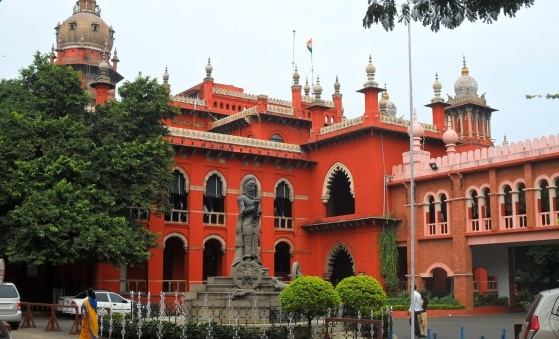
Madras High Court Calls Abrahamic Religions ‘Inherently Exclusive’ in Zen Trust Funding Ruling
-

CBCI urges Election Commission to protect every eligible voter in electoral roll revision
-

CJP says police notices served on activists ahead of October 10 Delhi protest
-

Voter-List Dispute Fuels Third Day of Protests Ahead of Supreme Court Hearing
-

Sri Lanka Announces New Measures to Strengthen Child Protection