

In a very significant development, the upper house (Rajya Sabha) of the Indian Parliament passed a legislation that would provide free and compulsory education to every child in the age group of 6-14 years.
The long-pending Right to Free and Compulsory Education Bill was passed by the Rajya Sabha on Monday, just days after the cabinet gave its sanction.
The bill if becomes a law will make free and compulsory education a fundamental right. It was in fact one of the flagship programmes in the 100-day agenda of the UPA government.
The bill provides 25% reservation for disadvantaged children in private schools. It also has provisions for no donation or capitation and no interview of the child or parent for the admission.
"Nobody can say no to admission to children. We are sitting on a great opportunity. If we lose it, I don't know what will happen to our country," said Kapil Sibal, the human resources and development minister.
"Education will be a fundamental right of the child. There is no way that we will not have the finances. We have to do it, we have wasted a lot of time," he told parliament, adding the historic legislation will determine the course of India in the 21st century.
The bill debated at least for six years further aims at building the network of neighbourhood schools, formulating a curriculum that is much simple and vies for all-round development of children.
Still to be tabled in the Lok Sabha, the bill prohibits physical punishment, expulsion or detention of a child, and deployment of teachers for non-educational purposes
Mr. Sibal said ensuring that every child went to school would be possible only through cooperation between the Central and State governments.
According to official figures, 50 per cent of Indian children do not go to school. And among those who attend school, at least 50 per cent drop out before reaching class five at the age of 11 or 12.
Most Popular
-
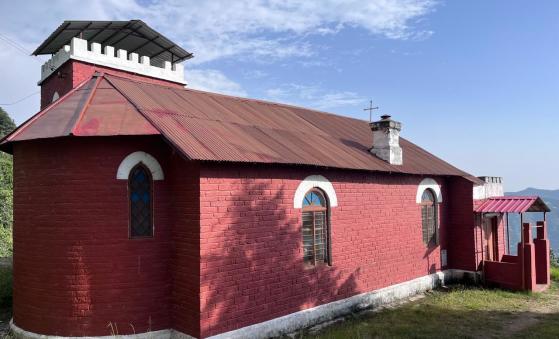
A Hilltop Church in Kumaon Turns 94
-
Evangelical Fellowship of India Calls Churches to Pray for Persecuted Christians on 1 and 8 November
-

Catholic priest and school principal seriously injured in attack by masked men in Jharkhand
-
Fresh Violence in Manipur Leaves Four Dead as Security Is Tightened
-

Myanmar Military Accused of Destroying Two Churches in Christian Regions