

Thiruvananthapuram – Newly introduced sacramental changes, promulgated by Cardinal Varkey Vithayathil of Ernakulam–Angamaly, who heads the Oriental–rite Catholic Church based in Kerala, have met with severe opposition and protests from various priests and parishioners who claim that the revision is unnecessary.
The changes, promulgated by Cardinal Vithayathil in a January 3 communique to all 26 Syro–Malabar Church (SMC) dioceses, related to five of the seven Sacraments. The revisions, approved by Pope John Paul II, change procedures for administering Baptism, Confirmation, Matrimony, Anointing of the Sick and Reconciliation. The revisions took effect on January 6.
Soon after the changes were promulgated, some priests criticized them openly in the media. The Nazrani Catholic Priests' Conference, an association of SMC priests, said they resent the "impractical and unwanted" sacramental changes.
According to Fr. Francis Karippery the leader of the association, its members had previously rejected the changes at the discussion level. It would be difficult for the priests to follow the changes, he said.
One change he described as "cruel" was administration of Baptism, Confirmation and Eucharist together to infants, in line with Eastern Church theology and practice.
"It is a difficult practice as it takes at least one hour for these rituals to be complete," Father Karippery said. According to news reports, his association has asked Cardinal Vithayathil to annul the promulgation.
Fr. Antony Nariculam, professor of Liturgy at SMC–run St. Joseph's Major Seminary and a noted liturgical expert, in support of those opposing the changes, said, "There was absolutely no need for these changes, which only brought about departure from the centuries–old tradition of the Church."
“The revisions have confused many clergy and laypeople," he said. "We are unable to understand what the Church has gained by making these changes."
According to the liturgist, the old system of sacramental administration that has been in practice ever since the historic Synod of Diamper in 1599 is better.
According to news reports, many concerns are directed at the administration of all three Sacraments of initiation to infants. Many feel that Eucharist is sacred and it should not be given to children who do not know anything.
The new Book of Sacraments stipulates that the Eucharist, first given usually at the age of 7 or 8, be given at the time of Baptism and Chrismation.
However, other Eastern Churches practice the custom of giving Eucharist to newborn babies during Baptism, Fr. Paul Thelakat, SMC spokesperson explained. This involves putting a tiny piece of a consecrated host on the child's tongue. "But the Holy Communion would be officially given to the children only after they are grown up and taught about its importance," the official added.
According to news sources, in spite of the opposition, the changes in the sacrament will not be withdrawn as they were made after long–drawn consultations and the revisions were made to help the SMC find its own identity. It is reported that a Church team would meet priests and lay leaders who expressed reservations on the changes and explain to them the need for such changes.
The SMC, most of whose members live in Kerala, accounts for 3.5 million of India's 16 million Catholics. It has experienced internal disagreements for over two decades, with one group wanting to revive Oriental liturgy and administration in its pre–Portuguese purity while other groups insisting on changes along more modern lines.
In 1992, Pope John Paul II intervened and raised the Church to major archiepiscopal status but reserved the powers to decide liturgical matters and appointment of bishops.
In 1998 the Pope ended the reservation on liturgical matters. In January 2004, the Church's synod gained the right to elect bishops for the 15 SMC dioceses in Kerala. However, this right does not extend to election of bishops in the other 10 SMC dioceses in India or the one based in the United States.
Most Popular
-
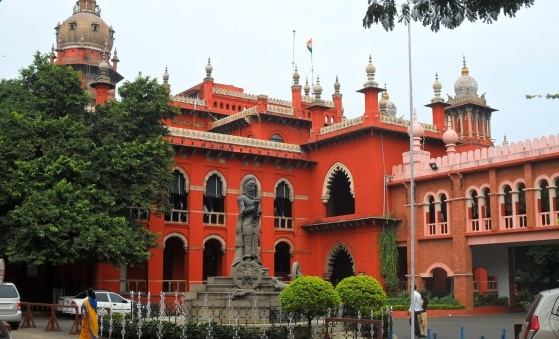
Madras High Court Calls Abrahamic Religions ‘Inherently Exclusive’ in Zen Trust Funding Ruling
-

Pastor Killed at Home in Punjab’s Batala; Police Name Local Man as Accused
-

CBCI urges Election Commission to protect every eligible voter in electoral roll revision
-

CJP says police notices served on activists ahead of October 10 Delhi protest
-

Voter-List Dispute Fuels Third Day of Protests Ahead of Supreme Court Hearing