

D.V. may have disappeared from the bottom of our letters but as we look at the year ahead, there is still a lot of wisdom in the saying "God willing".
For many, the way to come to terms with what cannot be anticipated or managed is to adopt the philosophy of "Que Sera Sera - whatever will be, will be". If life's events cannot always be controlled by choice, then chance is what determines your destiny.
But the Christian approach is different. The Bible comes out clearly with the truth that God sets the times and seasons. It is God who decides whether 2012 will be a good year or bad year for me. And how I respond to God's calendar is the secret of whether my faith grows in the year ahead.
James 4:13 instructs those who say, "Today or tomorrow we will go to this or that city, spend a year there, carry on business and make money" with the reminder, "You do not even know what will happen tomorrow…Instead you ought to say, 'If it is the Lord's will, we will live and do this or that'". It's not that the Bible condemns forward planning, but it's simply that we should never leave God out of our future plans. In the old days people used to add the letters D.V. to all such intentions, an abbreviation for a short Latin phrase, Deo Volente, which means 'God willing'.
The mere use of the phrase itself can become a pious clich̩ Рperhaps that's why it has largely disappeared Рbut the attitude of humble dependence on God as we face an uncertain future is the vital thing to retain.
Back in the Old Testament, King David wrote "My times are in your hand, Lord" (Psalm 31:15) In simple terms, whatever I put in my diary for 2012 will be of no significance compared to what God puts in my diary. When we recover the attitude of "Deo Volente", then we will be able to echo the prayer attributed to Moses in Psalm 90 – "Teach us to number our days aright that we may gain a heart of wisdom".
Tony Ward is a Bible teacher and evangelist who was ordained in Zimbabwe. He currently lives and ministers in Bristol
Most Popular
-
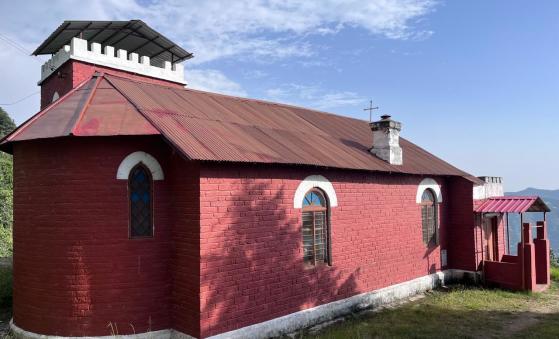
A Hilltop Church in Kumaon Turns 94
-
Evangelical Fellowship of India Calls Churches to Pray for Persecuted Christians on 1 and 8 November
-

Catholic priest and school principal seriously injured in attack by masked men in Jharkhand
-
Fresh Violence in Manipur Leaves Four Dead as Security Is Tightened
-

Jesuit Deacon’s Ordination Postponed Amid Questions Over Conversion Records